

 Circular economy
52%
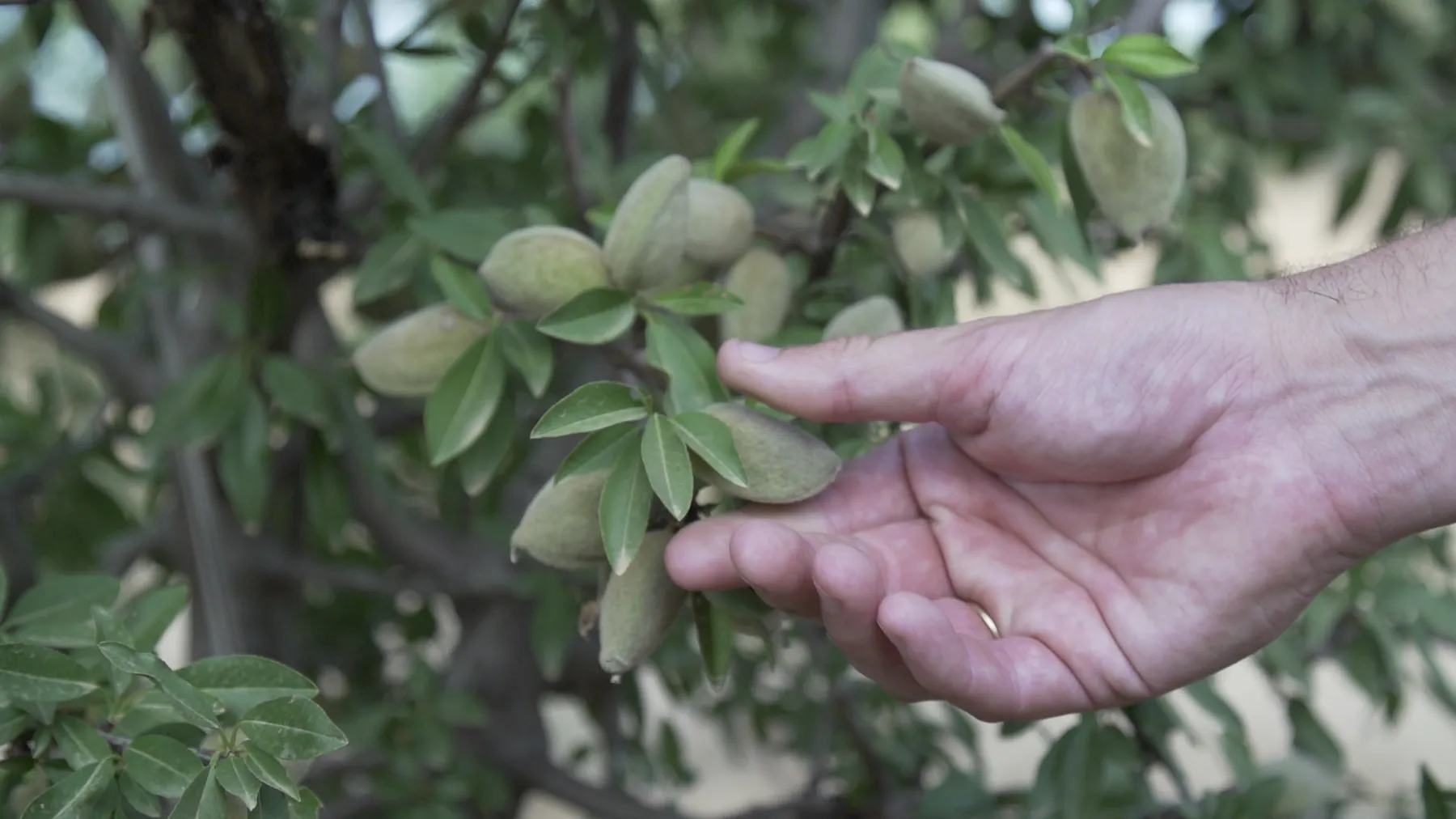
The almond hull, 52% of the fruit, stops being waste and becomes bioactive extracts.
Committed to the environment and to rural development, with certifications to back it up.
Circular economy, biodiversity, social impact and certifications: measurable, verifiable results.
Circular economy
52%
The almond hull, 52% of the fruit, stops being waste and becomes bioactive extracts.
 Biodiversity
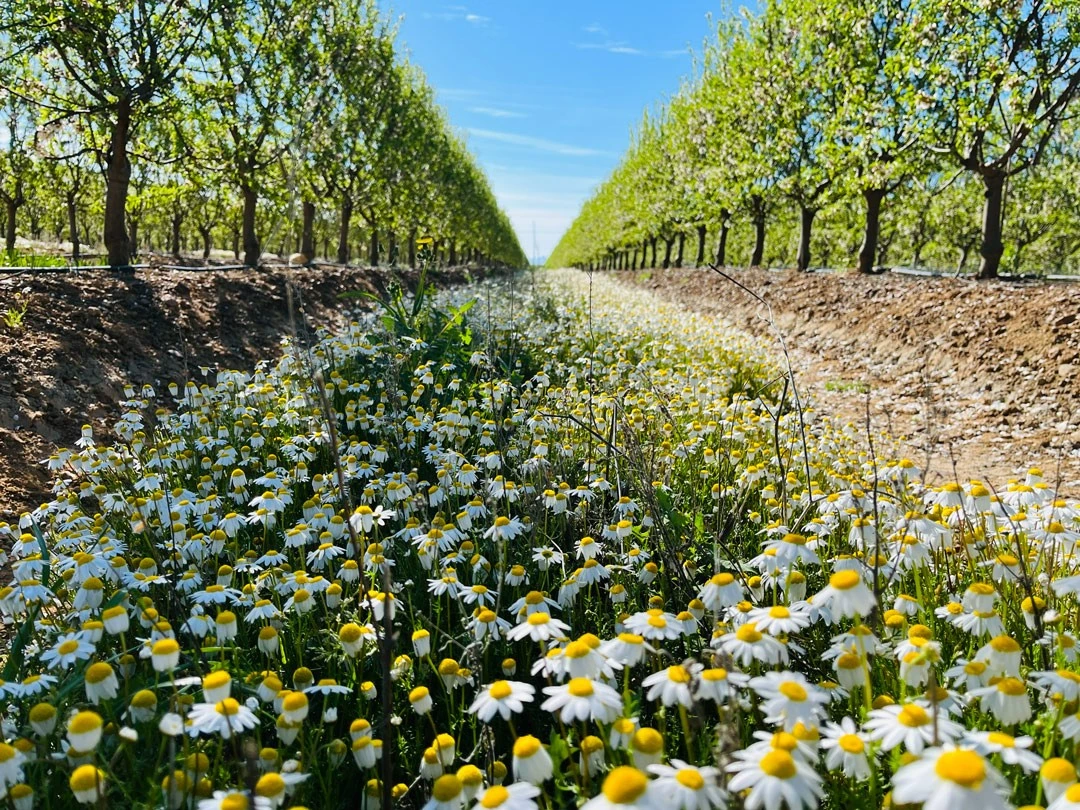
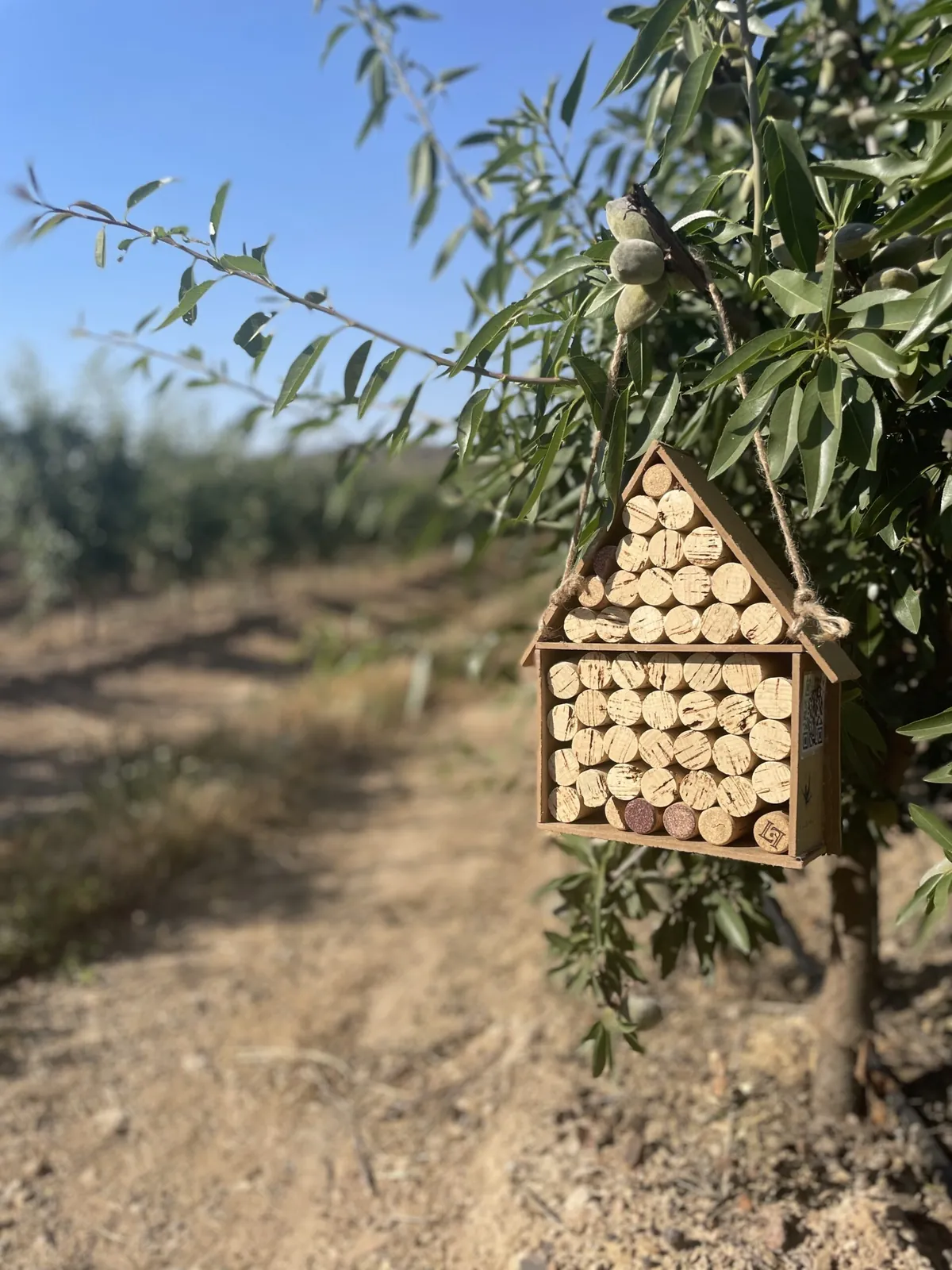
We boost biodiversity on our plantations with bird hotels, cover crops, pollination and insect hotels.
 Social impact
We work with local associations to develop the areas where we operate.
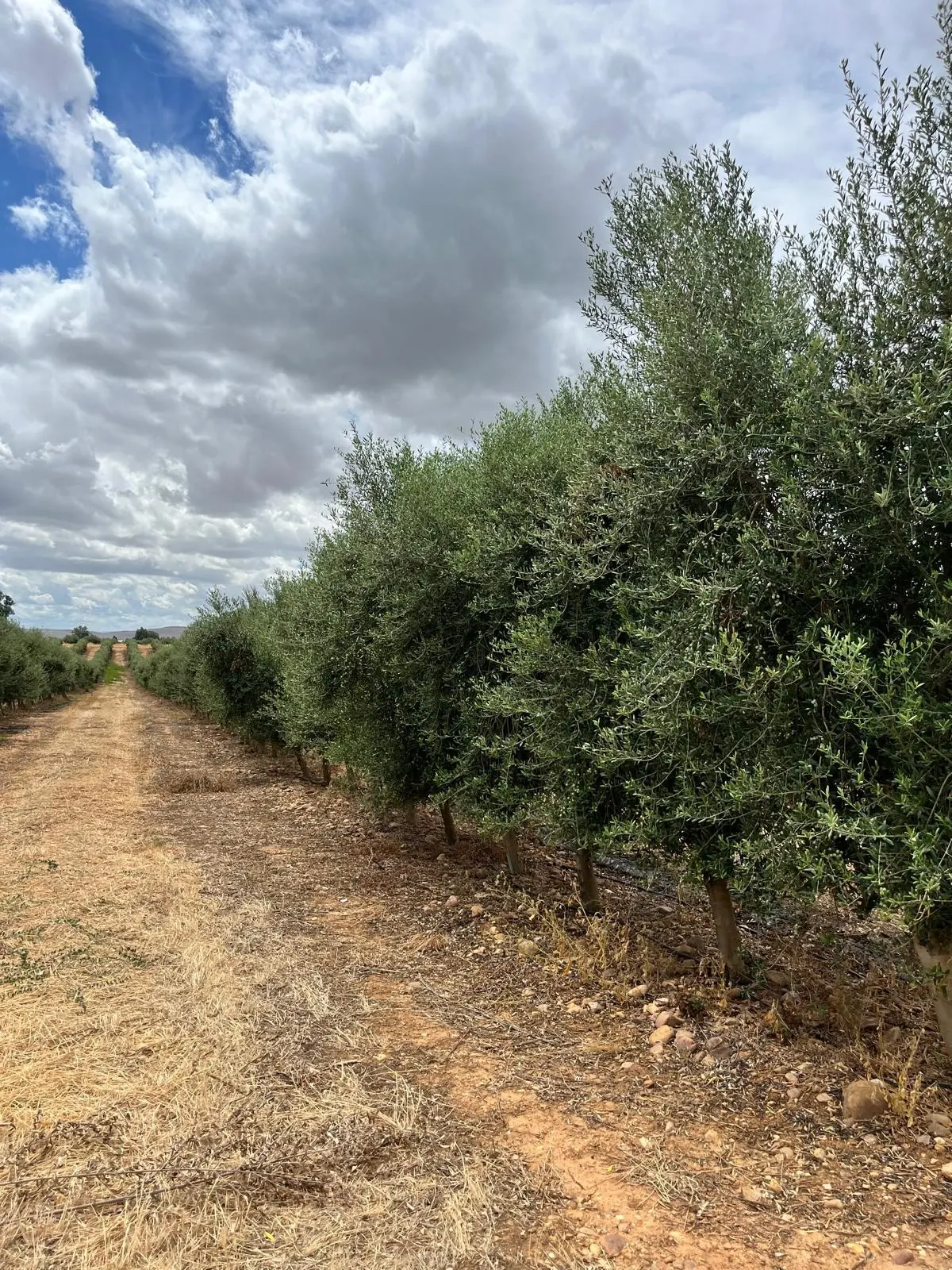 Certifications
In Spain and Portugal. Details in “Our ESG certifications”.

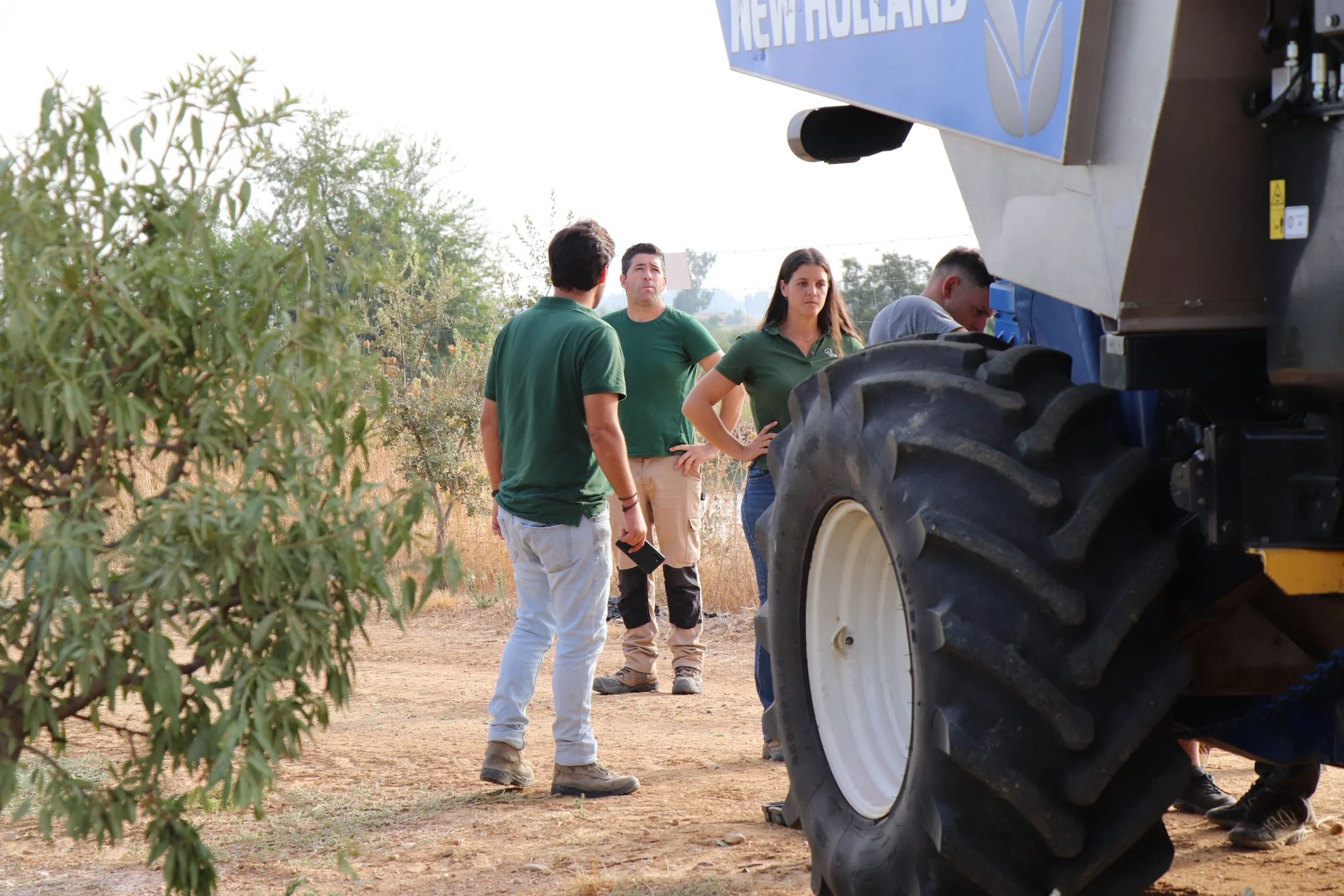
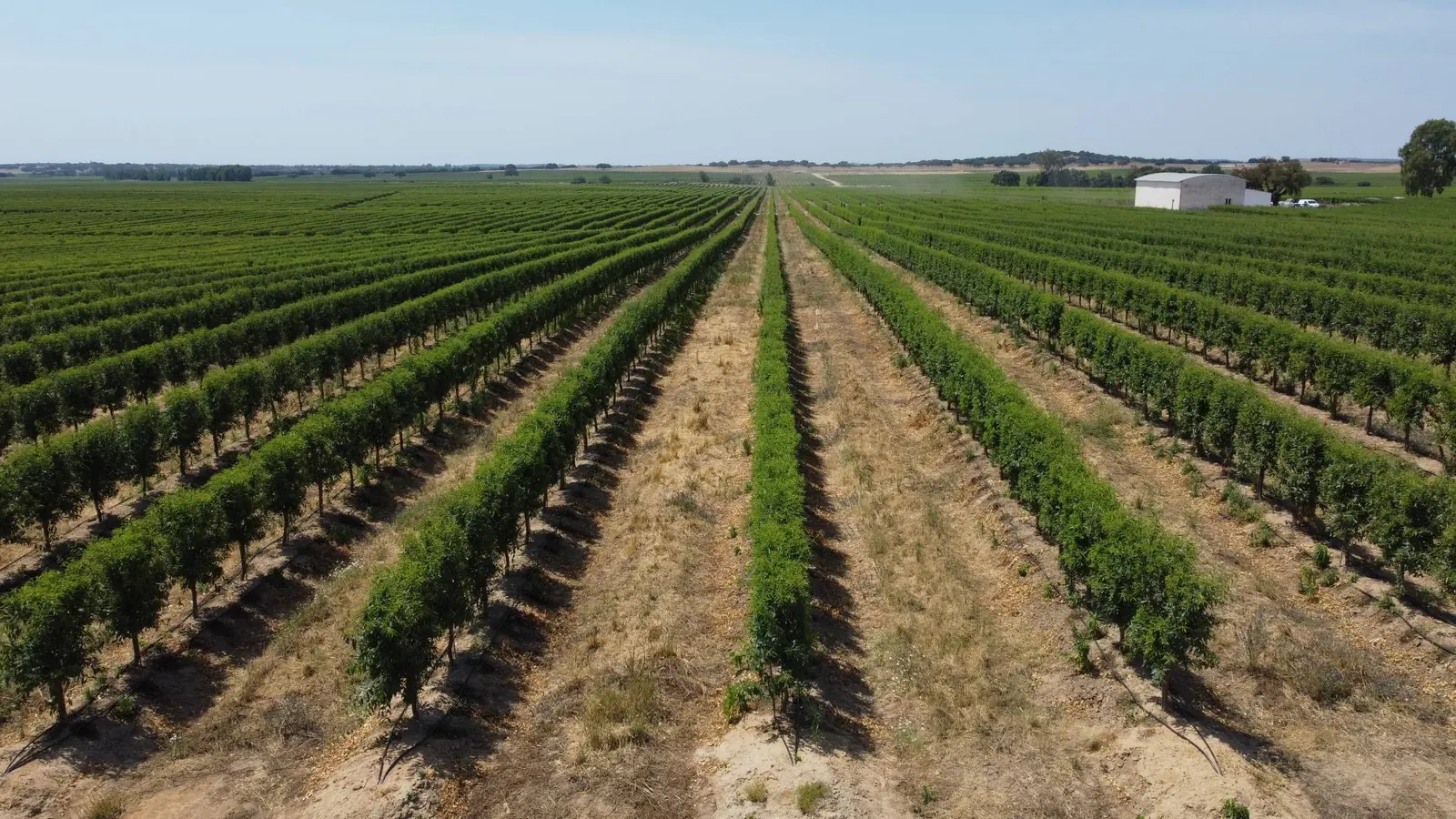
Jobs, economy and rural roots in every area where we work.
We create stable, skilled jobs in rural areas.
It energises suppliers, services and ancillary businesses in the area.
A model designed to last, generating lasting social and economic value in the community.
We work with a range of associations on initiatives that combine social inclusion and biodiversity.
The Miajadas plant brings processing, hulling and shelling of the fruit together in a single process. This integrated process prevents the hull from being contaminated with impurities and makes it suitable for animal feed.
In-shell almonds arrive at the plant.
Impurities are removed.
The hull is separated from the fruit.
The shell is separated, leaving the kernel.
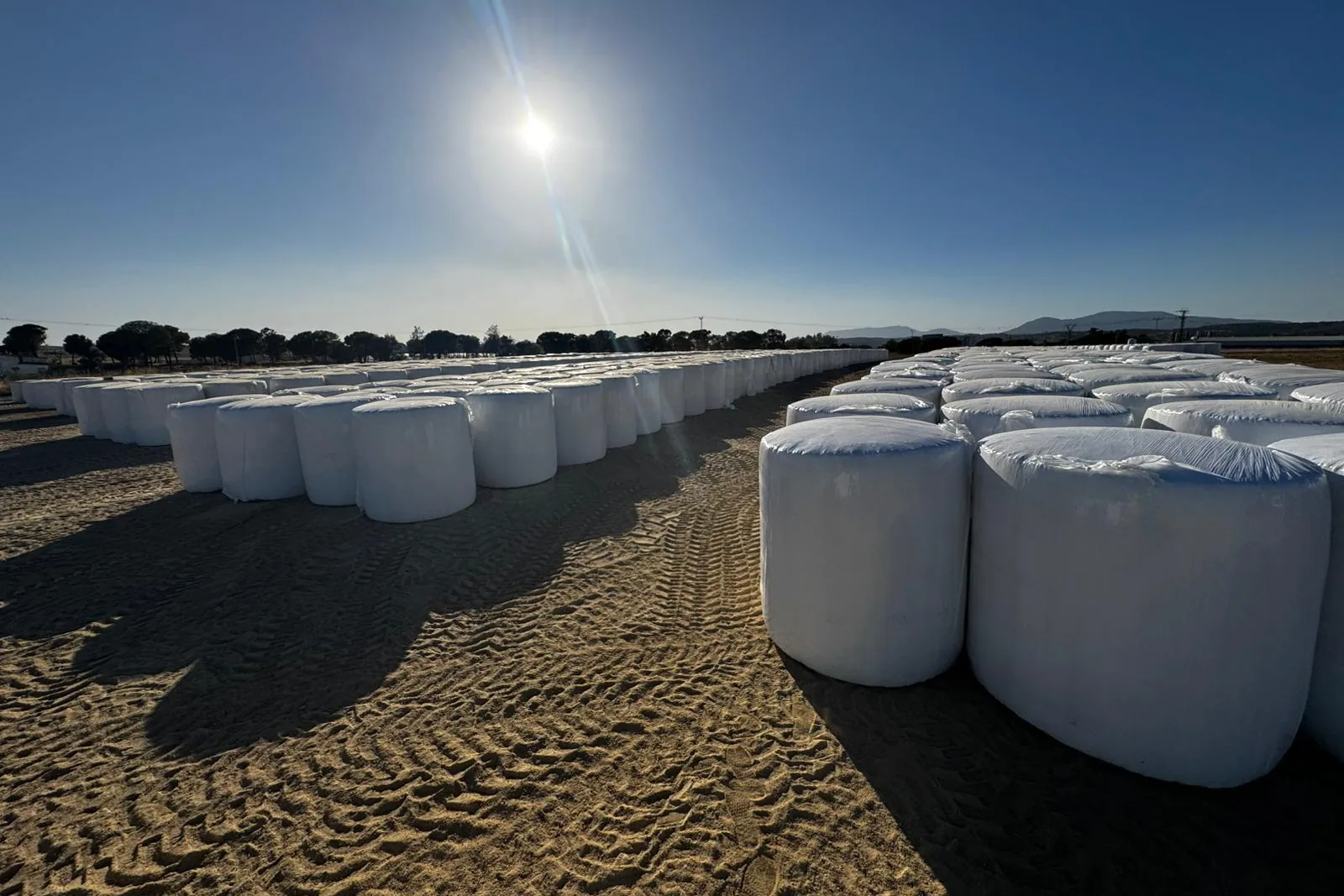
Once separated and clean, the hull is compacted into bales to make it easier to transport.
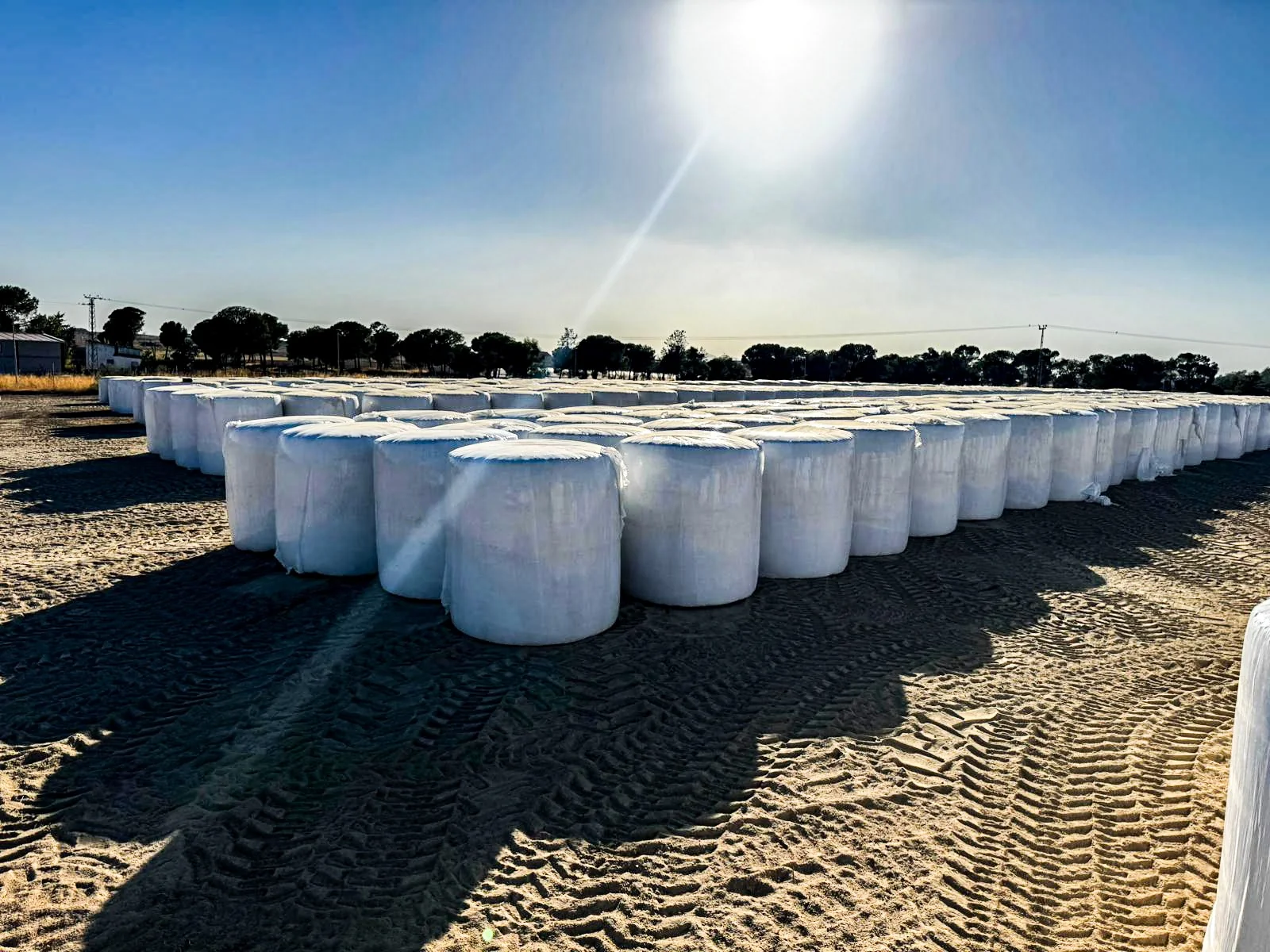
R&D&I project co-financed by CDTI that adds value to the almond hull, a product rich in polyphenols and fibre, to obtain plant extracts for functional use.
ESG impact. A by-product that becomes a valuable resource.
GLOBALG.A.P. certified in Spain and Portugal, with the commitments of its GRASP module (people) and its SPRING module (water).
We have obtained this certification in Spain and Portugal, ensuring safe, sustainable and traceable agricultural practices that strengthen the quality of, and trust in, our products.
Guarantees good social practices in the agri-food sector by assessing labour practices: sustainability includes both the environment and people.
This module certifies responsible water management through consumption control, source protection and continuous improvement on every farm.